
1 Timothy
1 Timothy — Building God's Household
Paul's letters to a young pastor — building a church that lives as a true household of faith: worship, leadership, family, contentment, and treasure that lasts.

1 Timothy 1:1–20
The Gospel of the Happy God
Paul opens his letter to young Timothy by contrasting the empty theological performance of the Ephesian teachers with the true goal of all Christian instruction: love from a pure heart, a good conscience, and genuine faith. At the centre of it all stands a stunning phrase — the gospel of the glory of the happy God — revealing a God who is not tired, disappointed, or rationing His grace, but overflowing with fullness and delight toward the very worst of sinners.
Read notes

1 Timothy 4:1–16
Commissioned to Lead — A Life That Preaches
As Paul turns from church structure to the man Timothy needs to become, he delivers a personal commissioning that speaks to every believer. In a world exhausted by striving and climbing toward God on its own terms, Paul reminds us that we don't train to earn a Saviour — we train because we already have one. This sermon unpacks what it looks like to live as a visible testimony in speech, conduct, love, faith, and purity, not out of religious obligation but out of the overflow of being deeply loved first.
Read notes
1 Timothy 5:1–16
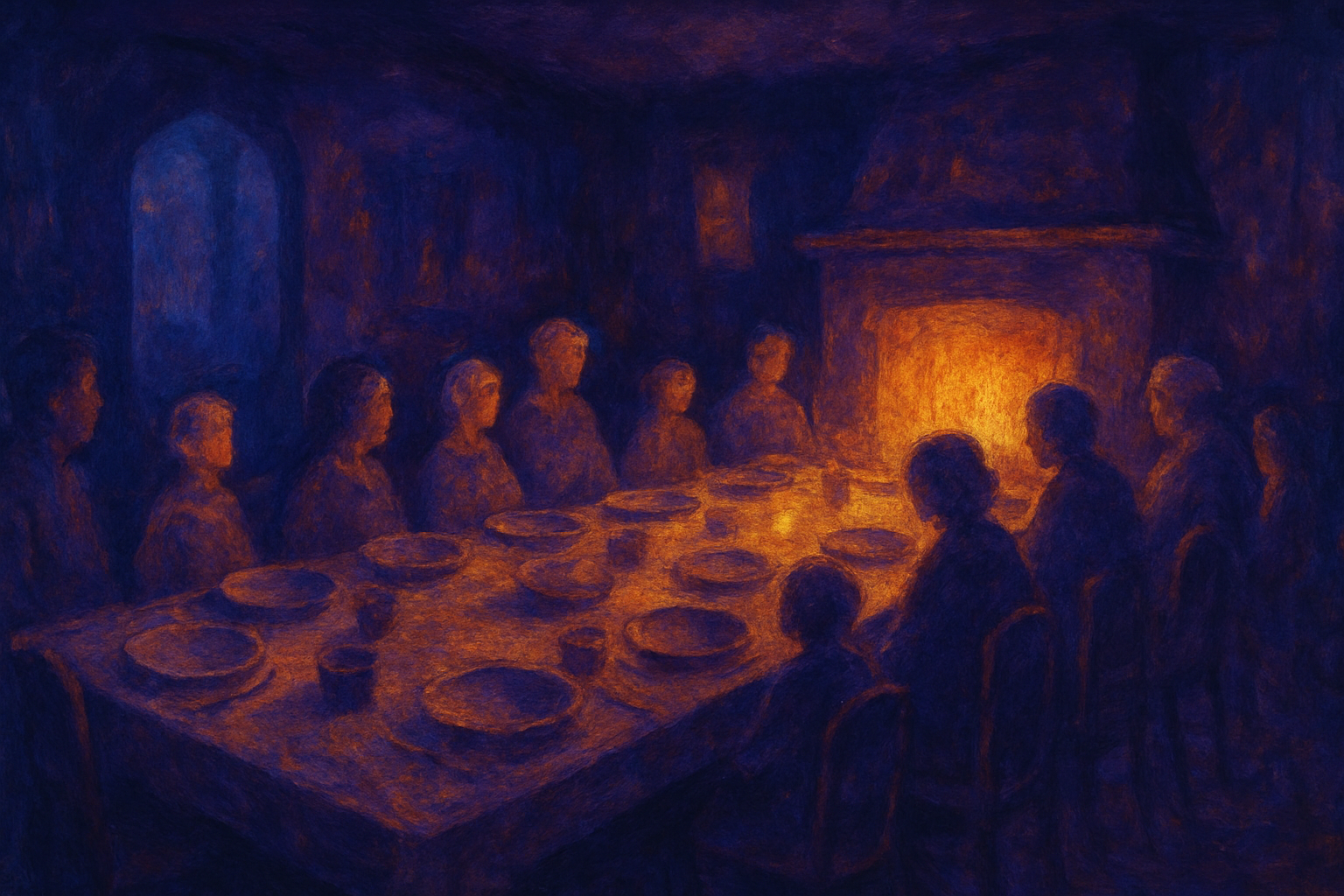
The Way We Family
Paul's instructions to Timothy about caring for widows and treating fellow believers as family land with fresh weight on Mother's Day. In a culture plagued by radical individualism and epidemic loneliness, the church is called to be more than a Sunday gathering — it's an oikos, a household of fathers, mothers, brothers, and sisters forged at the cross. Jesus himself modelled this family-making love in his dying breaths, entrusting Mary to John, and through his death and resurrection he adopted us all as sons and daughters of the Father.
Read notes

1 Timothy 6:11–16
Flee, Follow, Fight, Take Hold
Paul takes a title once reserved for Moses, Elijah, and David — 'man of God' — and hands it to young, anxious Timothy, and through him to every believer. Built on the foundation of our identity in Christ, Paul fires off four commands that aren't burdens but freedoms: flee from sin, follow righteousness, fight the good fight of faith, and take hold of the eternal life already secured for us.
Read notes

1 Timothy 6:17–21
Rich Toward God — Where Your Treasure Really Lives
In the closing verses of 1 Timothy, Paul speaks directly to those who have wealth — not to shame them, but to redirect their hope from what is uncertain to the God who richly provides. Through the stories of Zacchaeus and Matthew, and Paul's beautiful wordplay on the word 'rich,' this message invites us to loosen our grip on earthly treasure and invest in the only thing that lasts: people brought closer to Jesus.
Read notes

Luke 6–10
Red Letters in Luke
Walking through the words of Jesus in Luke 6–10 — the confronting, world-upending, life-giving red letters.
Luke 6:20–23
The Upside-Down Kingdom
Jesus opens His Sermon on the Plain pronouncing blessing on the poor, the hungry, the weeping, and the rejected. He wasn't pulling this out of nowhere — He was stepping into an ancient melody sung first by Hannah, then by Mary: God lifts the lowly and humbles the proud.
Read notes

Luke 6:24–26
Woes of the Kingdom
Jesus follows the blessings with four sharp woes — to the rich, the well-fed, those who laugh now, and those praised by everyone. Not curses on success, but on self-sufficiency: when this life becomes all you live for, you've already received everything you're going to get.
Read notes

Luke 6:27–36
Love Your Enemies
Jesus says: love your enemies, do good to those who hate you, bless those who curse you, pray for those who hurt you. The Joseph story shows what this looks like over decades of betrayal, false accusation, and prison. Forgiveness is not a feeling — it is a long obedience.
Read notes

Luke 7:18–35
When God Doesn't Meet Our Expectations
John the Baptist — the man Jesus called the greatest born of women — is sitting in a prison cell, doubting. He sent messengers: 'Are you really the one?' This sermon looks at what happens when our expectations of God collide with reality, and why doubt in a dark cell doesn't disqualify you.
Read notes

Luke 7:36–50
Forgiven Much, Loved Much
A woman with a broken reputation walks uninvited into a Pharisee's dinner, breaks open a jar worth a year's wages, and weeps at the feet of Jesus. Simon sees a scandal. Jesus sees a worshipper. The depth of your love will always be tied to the depth of your grasp of grace.
Read notes

Luke 8:1–18
The Parable of the Sower
Jesus tells a story about a farmer scattering seed. Simple on the surface — but it's a prophetic picture of how the Kingdom works. The question isn't whether the seed is good. It always is. The question is what kind of soil we are.
Read notes

Luke 8:18–39
Storms, Fear, and Demons
Jesus calms a storm with three words and sets a man free from a legion of demons. In both cases the question is the same: Who is this? The disciples were terrified by the storm. The townspeople were terrified by the healing. Jesus walks toward both.
Read notes

Luke 8:40–56
On the Way
A synagogue ruler falls at Jesus' feet for his dying daughter. On the way, a woman bleeding for twelve years touches His robe and is healed. Jesus stops for her. Then He raises the girl. Two nested stories — Jesus stops for the hidden and raises the hopeless.
Read notes
Luke 9:1–6
Sent Out
Jesus sends the twelve out with authority over demons and power to heal — and tells them to take nothing for the journey. No bag, no food, no money, no extra shirt. The mission requires total dependence on God. This is the move from watching to participating.
Read notes
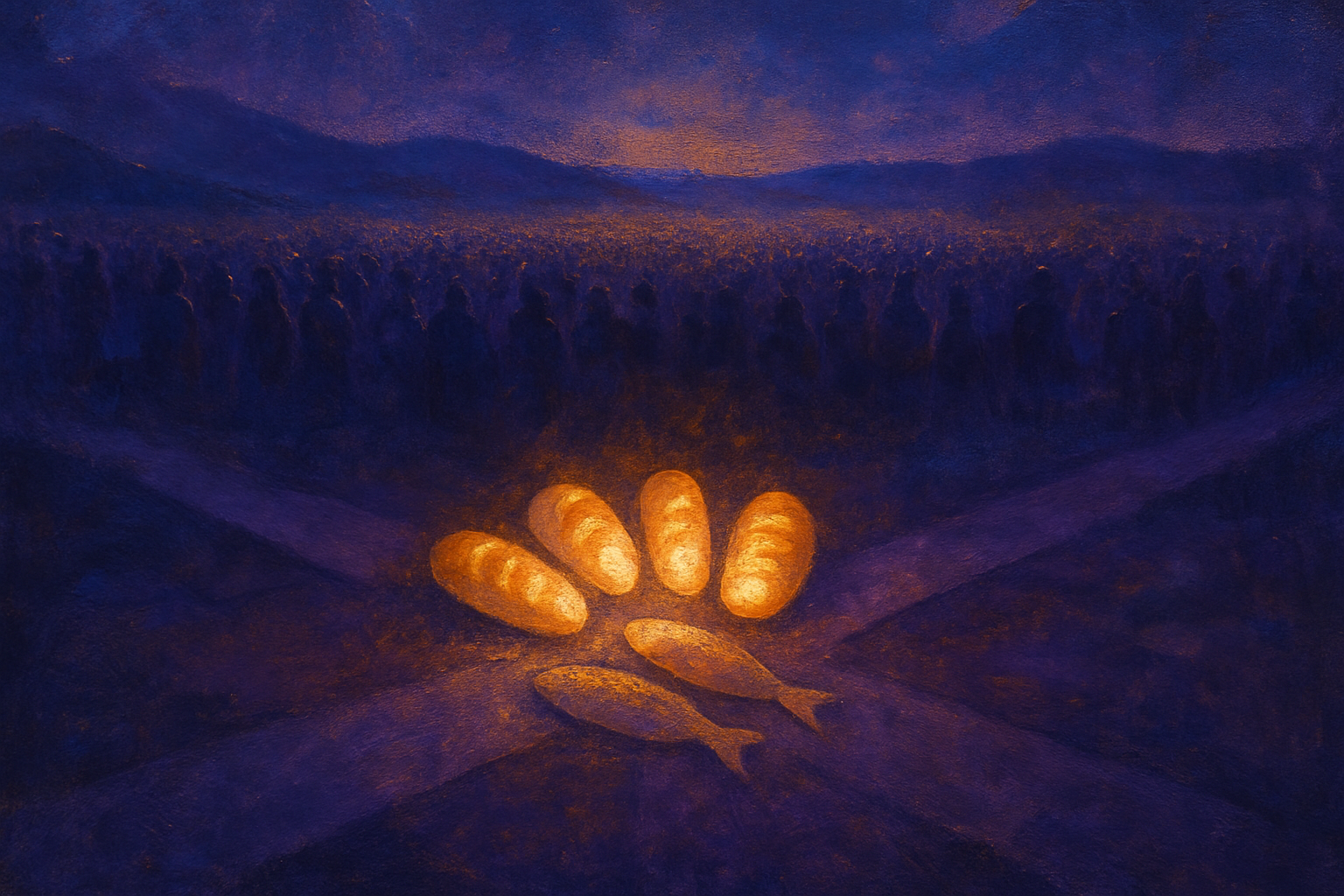
Luke 9:7–20
Who Do You Say I Am?
Herod is confused, the crowds are speculating, and Jesus feeds five thousand with five loaves and two fish. Then He withdraws and asks the question everything depends on: 'Who do you say I am?' Peter answers — and heaven confirms it. This is the hinge of Luke's Gospel.
Read notes
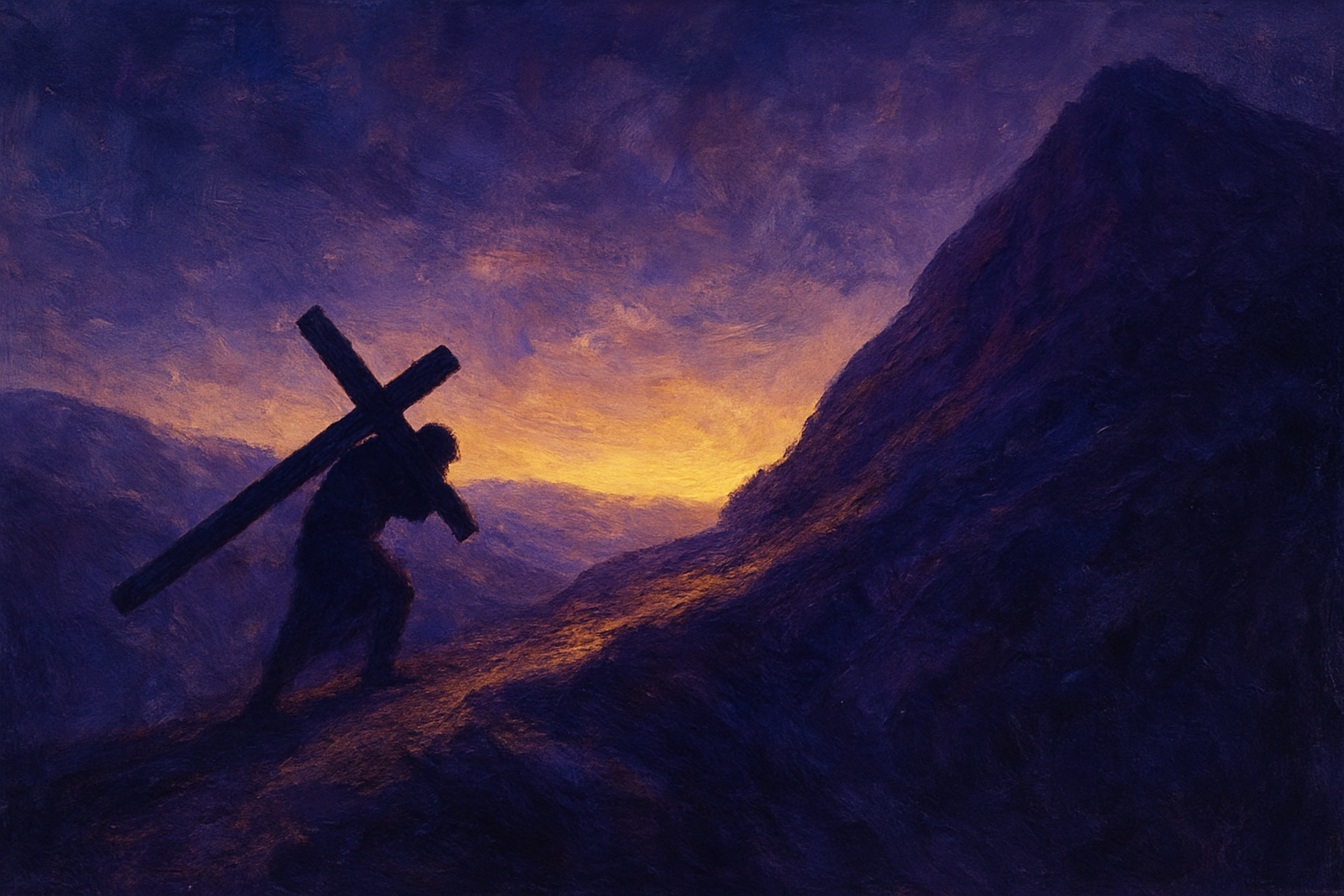
Luke 9:23–27
Deny Yourself
Right after Peter's confession, Jesus redefines what it means to be the Messiah and what it means to follow Him. He must suffer and die. And so must the disciple's self-life. Taking up your cross daily is not a call to misery — it's the only road to your true self.
Read notes

Luke 10:21–24
Hidden from the Wise
Jesus rejoices in the Holy Spirit and praises the Father for hiding these things from the wise and revealing them to little children. Real growth doesn't come from cleverness or striving — it comes from dependence. God never calls us to be impressive. He calls us to be faithful.
Read notes

Luke 9:57–62
The Holy Fear of Missing Out
On the road to Jerusalem — the road to the cross — Jesus encounters three would-be followers and lovingly exposes the idols each one holds above Him: comfort, delay, and a divided heart. Rather than guilting us into sacrifice, this passage invites us to see the treasure of Jesus so clearly that letting go of everything else becomes an act of joy, not burden.
Read notes

Romans 8 · 8 Weeks
Romans 8 — Freedom
Eight weeks inside Romans 8. Freedom from condemnation, adoption into family, glory on the other side.

Romans 8:1–4
No Condemnation
Paul ends Romans 7 calling himself wretched — unable to stop doing what he hates. Then the thunderclap: "There is therefore now no condemnation for those in Christ Jesus." Not less. Not condemnation-lite. None. This sermon unpacks why — and what it means to stop performing and stop pretending.
Read notes

Romans 8:3–14
Mind Set on the Spirit
The law couldn't save us because of the weakness of our sinful nature — so God sent His Son. The Spirit gives life. The mind set on the flesh is death; the mind set on the Spirit is life and peace. If the Spirit lives in you, He is not passive. He is moving, changing, setting you free.
Read notes

Romans 8:14–25
Abba Father
The most intimate word in the chapter: Abba. Dad. You are not a fearful slave — you are an adopted child of God. The Spirit joins with your spirit to confirm it. Creation itself is groaning for the day the children of God are revealed. Suffering now is real, but it's not the final word.
Read notes

Romans 8:26–30
The Golden Chain
The Spirit helps us in our weakness — even praying for us when we don't know what to pray. Then Paul lays out the golden chain of salvation: foreknown, predestined, called, justified, glorified. This is God's unalterable purpose. What He starts, He finishes.
Read notes

Romans 8:31–39
If God is For Us
Paul could have ended at verse 30 — but he can't stop. He erupts into five rhetorical questions cascading into one of the most powerful declarations in Scripture. If God is for us, who can be against us? Nothing — absolutely nothing — can separate us from the love of God.
Read notes

Foundation Series
Foundations — Abiding in Christ
The rhythms of a church genuinely alive in Jesus: worship, the Word, prayer, enjoying God, loving one another.
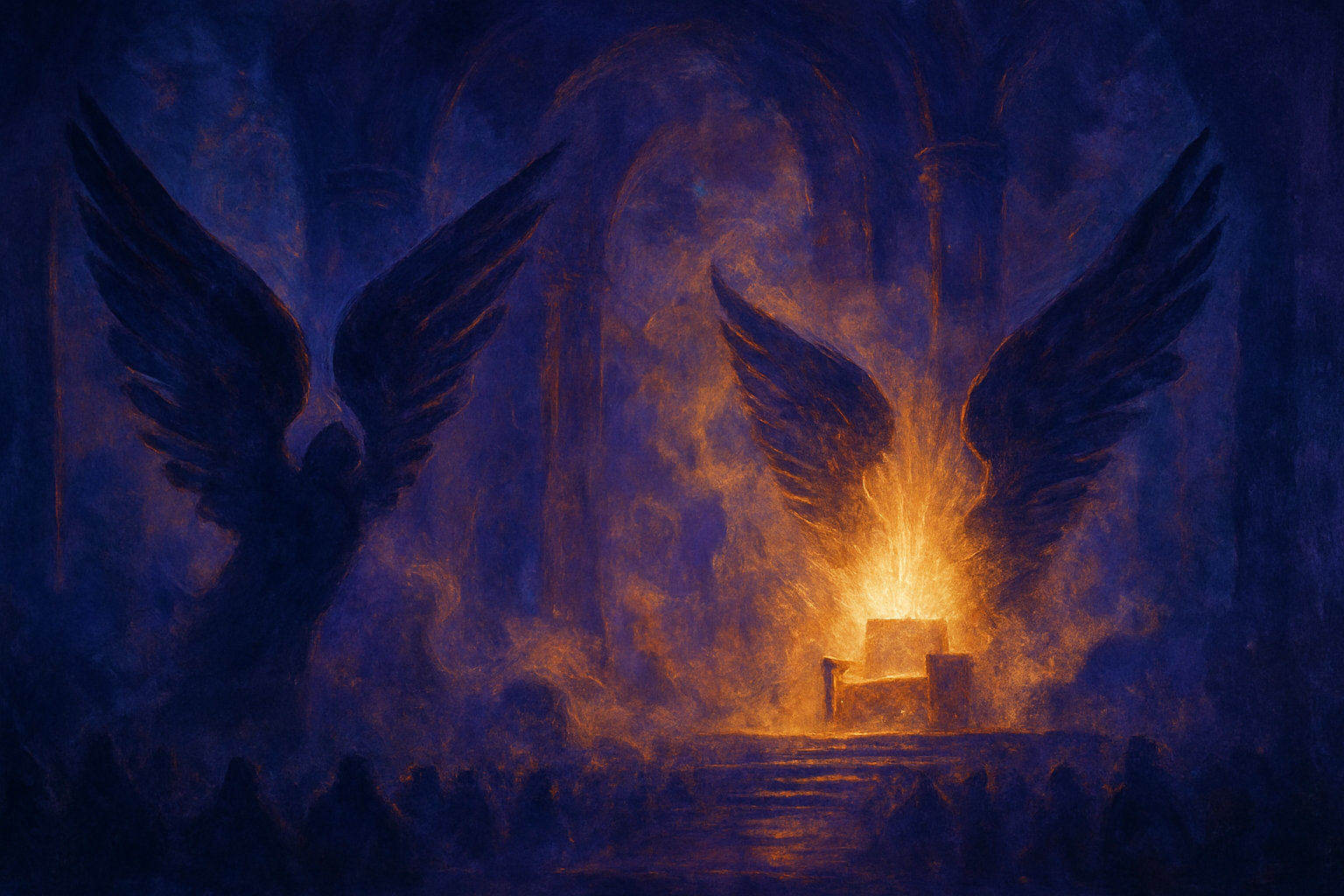
Isaiah 6 · Romans 12:1 · Luke 7:36–50
Wholehearted Worshippers
Worship doesn't start with a song — it starts with a vision of God. Isaiah sees the Lord, high and exalted, and falls apart. The woman with the alabaster jar sees her Saviour and pours out everything she has. The depth of your worship will always be tied to the depth of your grasp of grace.
Read notes

Psalm 37:1–7
Delight in the Lord
The Westminster Catechism says the chief end of man is to glorify God and enjoy Him forever. But how do you enjoy a God you're not sure loves you? You can't. You can't delight in someone you're trying to impress. This sermon is about the road back to simple delight.
Read notes
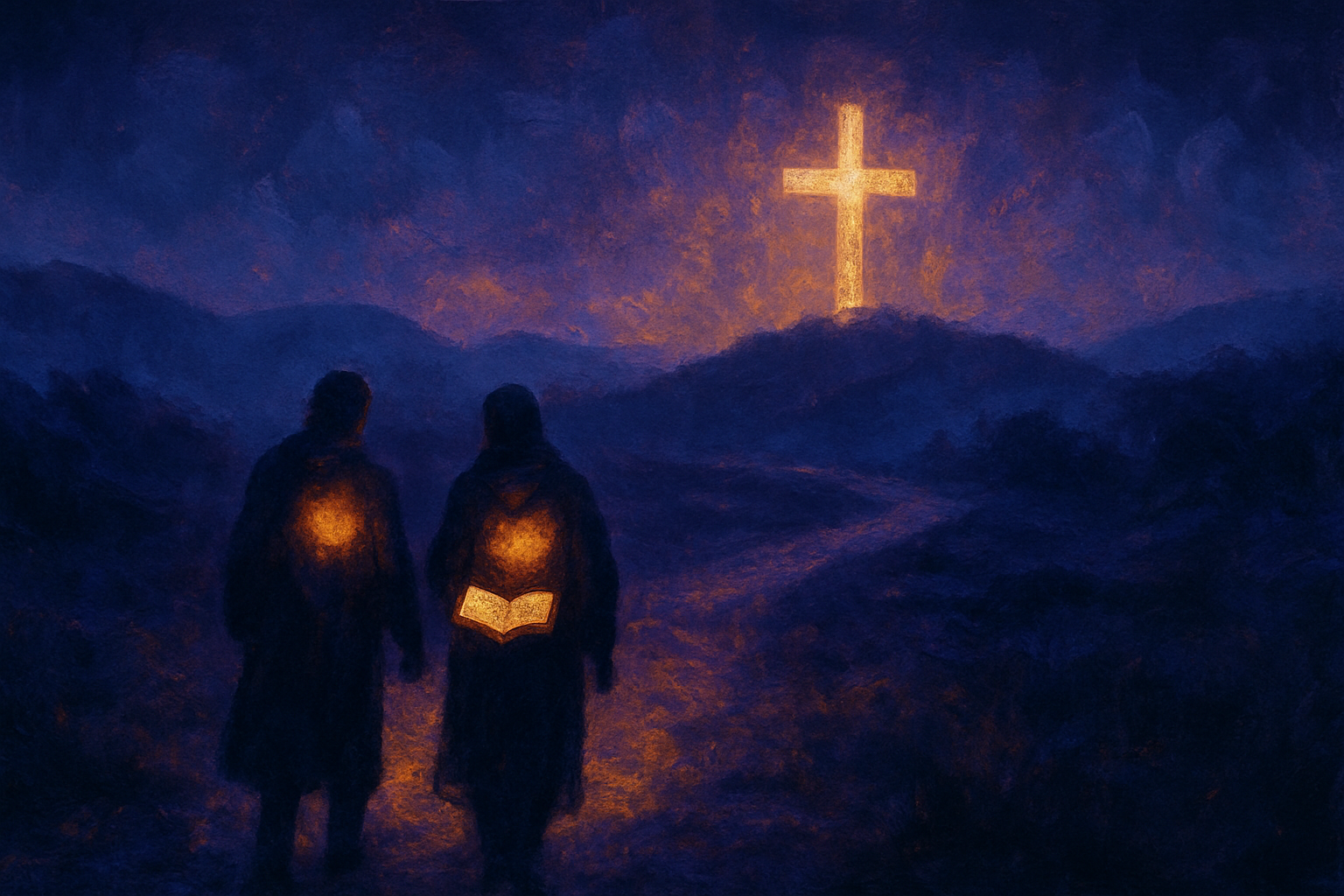
Luke 24:13–35
Hearts Burning
Two disciples are walking away from Jerusalem, devastated. Jesus joins them on the road and opens the Scriptures — from Moses through all the prophets. By the end they say: 'Were not our hearts burning within us?' The Word of God is alive. It does something to you.
Read notes
Luke 11:1–13
Teach Us to Pray
The disciples watch Jesus pray and ask: 'Lord, teach us to pray.' Not teach us theology — teach us to pray. Jesus gives them a pattern and tells stories about persistence and the Father's generosity. Prayer is not a performance. It is a conversation with a Father who already knows what you need.
Read notes

John 13:1–35
Love One Another
On the night before He died, Jesus knelt and washed His disciples' feet — including Judas. Then He gave a new command: love one another as I have loved you. By this everyone will know that you are my disciples. Not your theology. Not your programs. Your love for one another.
Read notes

Special Sundays
Standalone Messages
One-off Sunday messages and guest speakers — Easter, visiting preachers, and special occasions.

Romans 6:1–11
Resurrection Power — Death Has Been Defeated
On Easter Sunday, Ryan steps back from the regular Luke series to focus on the heartbeat of everything the church gathers around: the resurrection of Jesus. Walking through Romans 6, he shows that the empty tomb isn't just a historical fact to believe — it's a life-giving power that breaks the reign of sin, defeats guilt and despair, and grafts us into the living root of Christ so we can walk in genuine newness of life.
Read notes

1 Peter 2:4–10
Built Together — God's Plan for His Church
Using the picture of Lego blocks, guest speaker Ray Dawson unpacks what it means for us to be 'living stones' that God is building together into a spiritual temple. A loose block on its own achieves very little — but when each piece is placed according to the Creator's design, something beautiful and purposeful emerges. This message is a call to move from mere attendance to true belonging, building our lives and our church according to the pattern we see in Scripture.
Read notes
Come Hear It Live
Summaries only go so far. Come join us any Sunday at 9:30am and experience The Way Church community in person.
Leslie Street Centre · 7A Leslie Street, Mandurah WA · Sundays 9:30am